
Cromwell’s Relationship with His Own Image
Wolf HallThis thread traces Cromwell’s changing understanding of the face he presents to the world and the face others believe they see.
increasing Bearing strength in each event
 decreasing
Bearing strength in each eventdecreasingA Face Made for Work
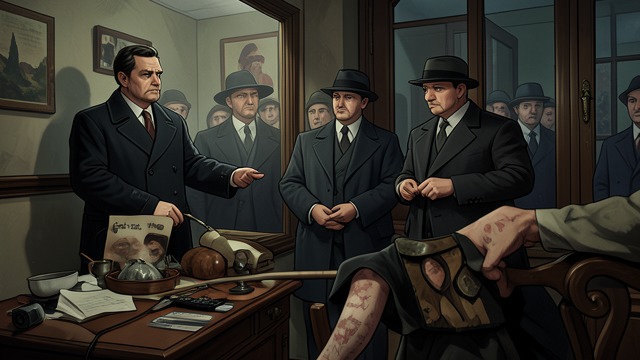
The Daily Arrangement
Composure learned
Cromwell recalls Erasmus’s advice to put on a mask before leaving home. He studies small changes in other people’s faces and learns to hide his own reaction.
Control and distance
The habit helps him negotiate dangerous rooms, but it also creates a gap between public manner and private feeling. He can be genial without feeling safe or understood.
A Portrait Without a Smile
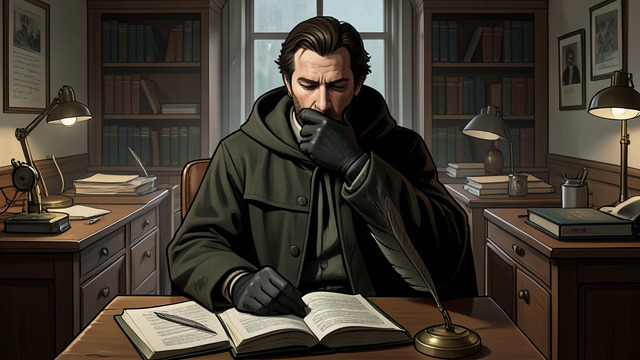
Holbein’s Judgment
The painted secretary
Hans Holbein depicts Cromwell enclosed by official objects, his hand resting near papers and a book. The portrait makes his authority and potential danger visible.
A self-image in question
Cromwell sees that the painting’s expression is not the one he recognizes in himself. Other people may judge him by a face he did not know he wore.
What Others See

Reputation as a Mirror
Chapuys’s reading
Chapuys says Cromwell makes other men wonder what they themselves look like. The observation captures his talent for turning attention back upon the people he studies.
The limit of self-knowledge
Cromwell asks his son what he looked like as a child and finds that even Gregory sees something he did not. His power to read others does not make him transparent to himself.
1531
1534
After the portrait, 1534
